

How We Helped LoadMe
Build the First Digital Freight Marketplace
in the Middle East
From Startup Vision to International SaaS Platform: A Multi-Year Digital Transformation in Logistics
Only Got 30 Seconds? TL;DR Summary
Developed a logistics SaaS platform from the ground up, starting in the UAE
Evolved through three major phases: load board, corporate logistics tool, and full SaaS solution
Features include load matching, GPS tracking, bidding, invoicing, and mobile apps
Used by international brands and logistics companies across several countries
Built with technologies like .NET, Azure, MongoDB, and later Flutter
Roloway handled end-to-end development, UI/UX, onboarding, and ongoing support
Platform received multiple innovation and sustainability awards in the region
Client Snapshot: LoadMe
Headquarters: Dubai, UAE
Industry: Logistics, Freight Marketplace
Founded: 2015
Presence: UAE, Saudi Arabia, Iraq, Egypt, Sudan, Norway, Philippines, Pakistan, Romania
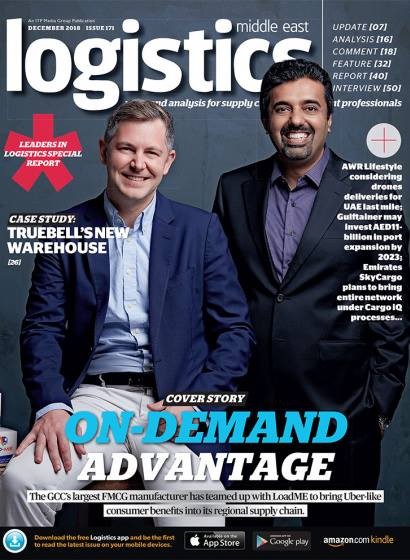
LoadMe is the first online freight exchange platform in the Middle East. Their mission? To connect shippers and transporters across borders in real time—making logistics faster, smarter, and more transparent. What began as a bold idea in a fragmented market is now an award-winning SaaS platform used in 9 countries and trusted by global clients like P&G, Henkel, and Unilever.
The Challenge: Fragmented Market, Zero Visibility
Back in 2015, LoadMe came to us with a clear problem—Middle Eastern freight logistics was stuck in the past. Everything ran on Excel sheets, endless phone calls, and outdated documents. No central database, no real-time tracking, no systematized bidding or driver verification. Just chaos.
Their vision? Build an Uber-style platform for freight. One that could streamline operations for everyone in the logistics chain—shippers, brokers, transporters, and drivers.
They needed a long-term tech partner who could design, build, and scale the platform from scratch. That’s where we came in.
How the Platform Evolved: Three Major Iterations
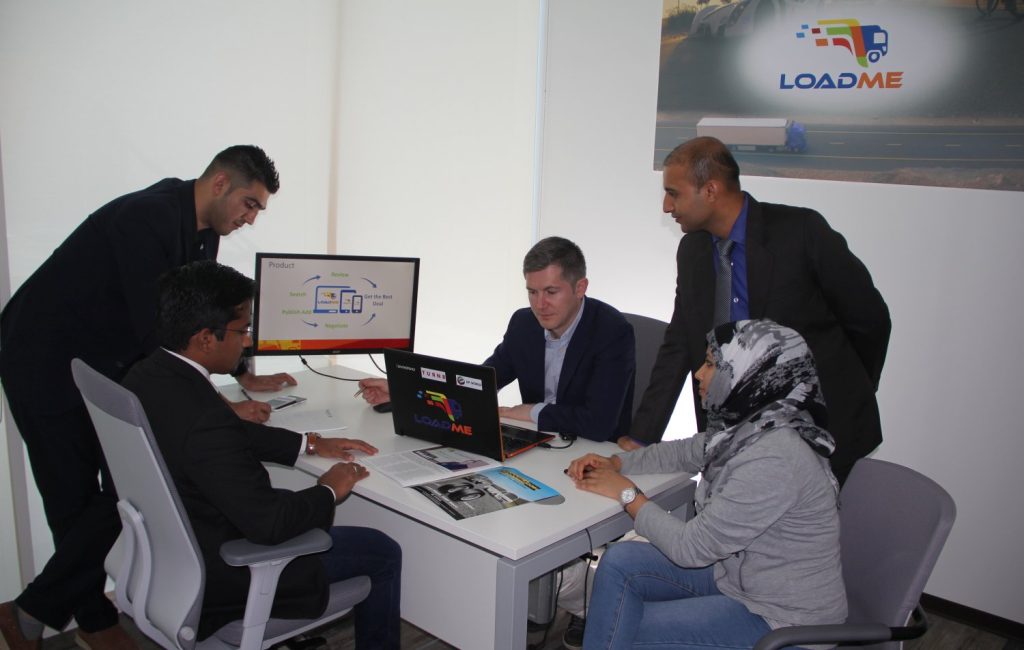
What makes LoadMe unique is that it wasn’t built with a rigid long-term roadmap. The platform grew organically over time, in direct response to real business needs. Each stage reflected a significant shift in how the logistics industry was adapting—and how LoadMe chose to lead.
Here’s how that journey unfolded.
Stage One - Building the First Load Board in the Middle East (2015)
The initial version of LoadMe was designed as a real-time freight exchange. Think of it as the “Uber for Trucks” idea—ambitious at the time, considering the region’s state of digital adoption.
We built a web-based Load Board where:
- Shippers could post loads
- Transporters could view available shipments
- Bidding could happen via web or mobile
- Driver location could be tracked
- Deals could be made without a single phone call
The tech stack for this first version included:
- Backend: ASP.NET Core, MongoDB
- Hosting: Microsoft Azure
- Frontend: HTML, CSS, jQuery
- Mobile: Native Android App linked to the platform
The platform was live at market.load-me.com, and it still is. Drivers and shippers continue to use it in smaller markets or as a fallback tool.
Challenge: While the tech worked, adoption was slow. Many transporters didn’t have smartphones, mobile data was unreliable on the road, and habits were hard to break. We were years ahead of the infrastructure—and that showed.
Stage Two - The Corporate Logistics Platform (2017–2019)
As LoadMe matured as a freight forwarder, they started winning logistics contracts with major clients like P&G, Henkel, and Unilever. These were large-volume shippers who didn’t want a load board—they needed control, automation, and reporting.
This led to the development of a new layer on the platform: a Corporate Logistics Tool tailored to enterprise clients. We reused the same foundation but significantly expanded the system’s scope:
- Shipper-specific dashboards
- Structured document storage (PODs, invoices, contracts)
- Multi-user access with defined roles
- Custom workflows for major clients
- Driver verification and performance tracking
Why it mattered: This version brought the platform into the hands of people who were already used to tech. Adoption inside shipping companies was high. But freelance drivers were still a pain point—phones were still too weak, habits too entrenched.
This stage wasn’t a pivot. It was a natural expansion of the business. LoadMe still used the marketplace but now had enterprise tools built on top.
Stage Three - A Full SaaS Platform for Freight Forwarders and Shippers (2020 - Today)
With years of experience in multiple markets, LoadMe had enough operational insight to build something bigger: a freight management SaaS product that freight brokers, shipping companies, and transporters could all use.
This meant a major rewrite of the core platform:
- Role-based access for multiple types of users (dispatcher, driver, accountant, admin, etc.)
- Mobile apps for field operations
- Regional settings (currencies, languages, workflows)
- Deep integrations with tools like WhatsApp, Twilio, and Microsoft Business Central
- New modules: fleet management, invoicing, bank reconciliation, reporting, and more
This is the platform that runs today across 9 countries and is used by both LoadMe and their clients. It continues to evolve based on feedback from real-world operations across different business models—from Gulf-based freight brokers to East European carrier groups.
A Long-Term Partnership: Roloway’s Role
Throughout all these iterations, Roloway has been the exclusive development partner for LoadMe. We didn’t just build software—we guided the product’s growth alongside the business. Our responsibilities included:
Product Strategy
- UI/UX Design
- Full-Stack Development
- Mobile Development (Native + Flutter)
- DevOps on Microsoft Azure
- Client Training and Onboarding
- Project Management, QA, Support
Every release, every client rollout, every expansion to a new country—it all went through our team.
Enterprise-Grade Technology Backbone
Here’s what powers the current Loadme SaaS platform today:
Backend
- ASP.NET Core, MongoDB, Azure SQL
- Azure Blob Storage for documents
- Swagger UI for API documentation
Bootstrap, jQuery
- Google Maps and Google Charts
- Datatables.net for complex data handling
Mobile
- Native Android and iOS (later moved to Flutter)
- Real-time GPS
- File and photo capture
- Offline mode and background operation
- Integrated push notifications
Cloud Infrastructure
- Microsoft Azure App Services
- Azure Virtual Machines
- Azure Security Suite (firewalls, IP filtering, SSL, etc.)
- Uptime Robot monitoring
Project Workflow
- Agile development with Jira + Azure DevOps
- Bitbucket + SourceTree for version control
- Confluence for internal documentation
Key Functional Highlights
Transport Management Core
- Cloud-based shipment and driver docs
- GPS tracking and geofence alerts
- Load matching and bidding
- Invoicing and payment tracking
- Communication via WhatsApp and app
Driver and Carrier Tools
- Driver app with location, document upload, and bidding
- Push alerts for new loads or route updates
- Digital vouchers, trip reporting, and more
Admin & Reporting
- Regional dashboards
- Custom reporting and analytics
- Budget forecasting and accounting
- Microsoft Business Central integration
Recognition & Industry Impact
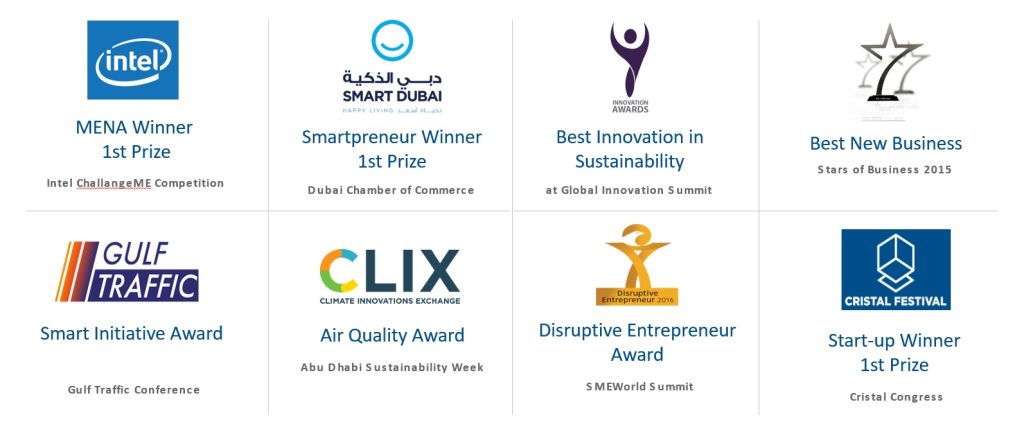
LoadMe’s success wasn’t just operational—it’s been validated by awards and industry recognition:
LoadMe in the Media
LoadMe quickly attracted media attention as a disruptor in the Middle East’s logistics space. Its founder and CEO, Sebastian Ștefan, was featured in numerous interviews, tech events, and panel discussions focused on digital transformation in transport.
The platform’s innovative approach and growing footprint across the region made it a regular presence in business publications and at major logistics and sustainability conferences. LoadMe was invited to present at various high-profile industry shows, where it showcased how digital tools could replace the chaotic, paper-based systems still widely used in freight.
The media spotlight intensified as the company racked up awards—including the Smartpreneur 1st Prize from the Dubai Chamber of Commerce, the Air Quality Award at Abu Dhabi Sustainability Week, and several other innovation and startup recognitions.
This exposure didn’t just boost visibility. It reinforced LoadMe’s position as a serious player and a credible voice in conversations about the future of freight in the MENA region and beyond.
Still Evolving...
As of today, the LoadMe platform continues to grow with each market:
Expanding operations in East Africa and Central Europe
Customizing for new business models in the Philippines and Egypt
Constantly improving mobile UX and automation
Scaling infrastructure and DevOps for larger client volumes
Our team remains the driving force behind every deployment and every update.